NFPs need to get ready for new return
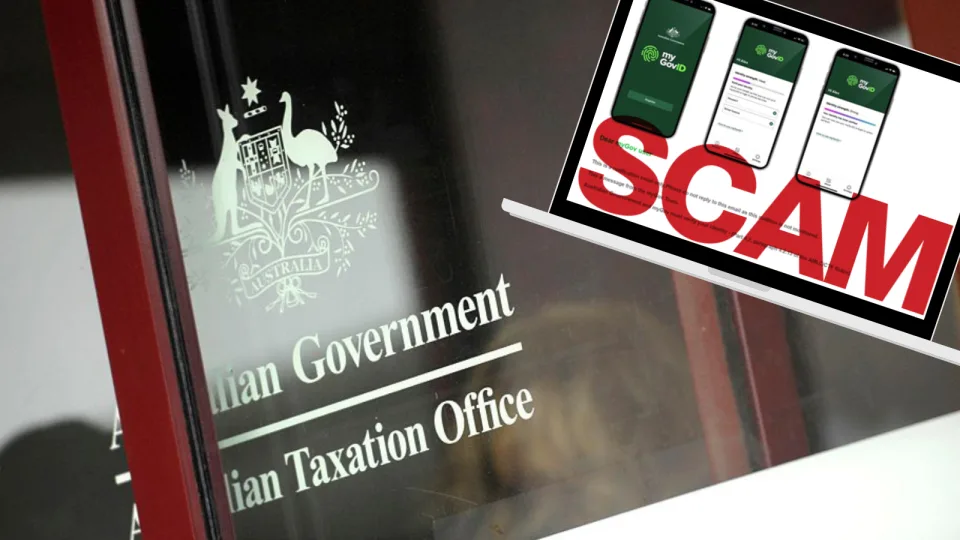
From 1 July 2024, non-charitable not-for-profits (‘NFPs’) with an active Australian Business Number (‘ABN’) (sporting, community and cultural clubs, among other organizations) will be required to lodge a new annual NFP self-review return with the ATO to confirm their income tax exemption status.
Non-charitable NFPs that have an active ABN can get ready now by:
- Conducting an early review of their eligibility by using the ‘ATO’s guide’ on the ATO’s website;
- Checking all their details are up to date, including authorized associates, contacts and their addresses;
- Reviewing their purpose and governing documents to understand the type of NFP they are; and
- Setting up MyGovID and linking it to the organization’s ABN using ‘Relationship Authorization Manager’.
NFPs can use Online services for business lodgment:
When it comes time to lodge, NFPs can use Online services for business which lets organizations manage their reporting at a time that is convenient for them. If an NFP has engaged a registered tax agent, their agent can also lodge on their behalf through Online services for agents.
The first return is for the 2023/24 tax year and NFPs will need to prepare and submit their annual self-review between July and October 2024.
As an interim arrangement for the 2023/24 transitional year, eligible NFPs unable to lodge online will be able to submit their NFP self-review return using an interactive voice response phone service.
Taxpayer was liable to pay excess concessional contributions tax
The Administrative Appeals Tribunal (‘AAT’) recently held that a taxpayer was liable to pay excess concessional contributions tax in relation to contributions made on his behalf by his employer.
In the 2021 income year, the taxpayer’s employer made concessional super contributions to his super fund totaling $31,737, which resulted in the taxpayer exceeding his concessional contributions cap for the 2021 year by $6,737.
The AAT upheld the ATO’s decision not to exercise its discretion to reallocate the excess contributions to another year, on the basis that there were no ‘special circumstances’ under the relevant legislation that would allow the ATO to do so.
The AAT noted that “The difficulty for the (taxpayer) is that he accepts that there was never any certainty around when his employer would pay contributions into his super fund and that there was no written agreement or even a verbal agreement that set out the timing of the payments into his super fund. As such it was not unusual for his employer to pay the (taxpayer’s) concessional contributions into his super fund at differing times.”
Taxpayers should be known that some natural disaster relief payments are not taxable
Businesses that have received a government support payment because of a natural disaster (such as a major weather event) should check if they need to include this as assessable income in their tax return before they lodge (although they may not need to pay tax on the payment).
Provided that they meet the criteria, taxpayers can treat some support payments as ‘non-assessable, non-exempt income’, which means they do not need to include them in their tax return.
Taxpayers can refer to the ATO’s website (or check with us) for more information in this regard, including in relation to the criteria that needs to be satisfied.
Ref: ATO website
Please contact Wiselink Accountants if you require further information